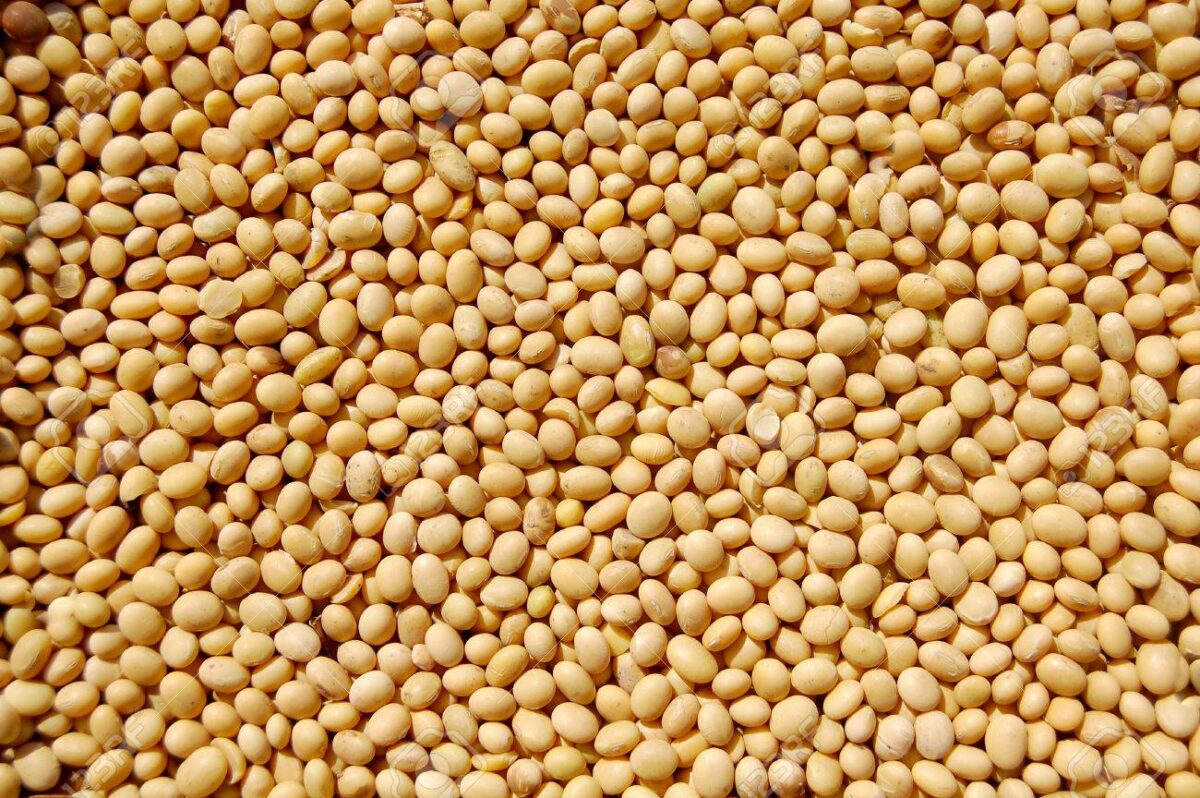
Soybeans
Non-GMO West African soybeans sourced for crushing, feed and food-processing buyers.
- Origin:
- Benin and the wider West African region
- Applications:
- Oil crushing, soybean meal, animal feed, food processing.
Portfolio
Our agricultural portfolio is developed around international buyer requirements and available West African supply. Availability, specification and pricing are confirmed per transaction.
Non-GMO West African soybeans sourced for crushing, feed and food-processing buyers.
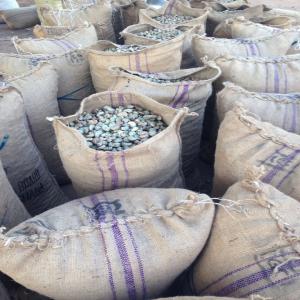
Raw cashew nuts (RCN) aggregated for processors and importers in global markets.
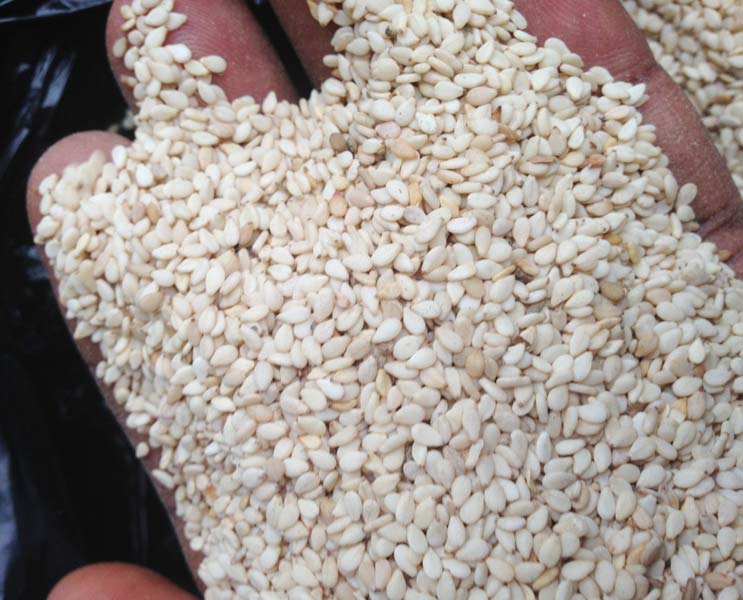
White and mixed sesame seed for oil pressing, tahini, bakery and ingredient buyers.
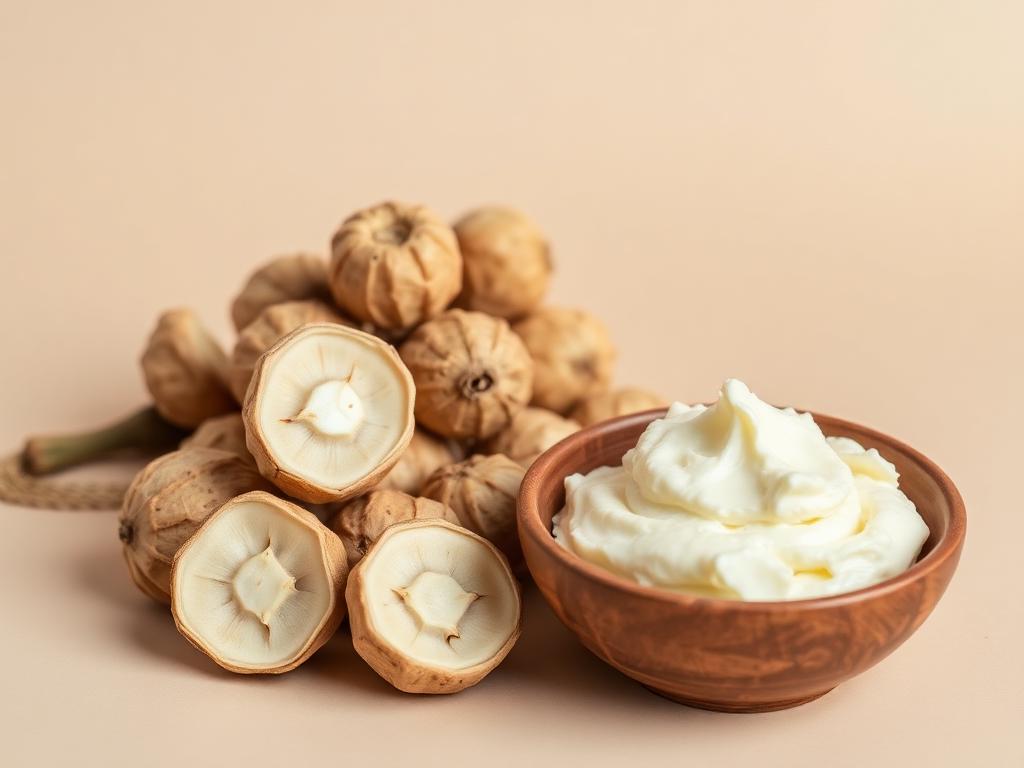
Dried shea kernels supplied to butter processors and oleochemical buyers.
Unrefined and processed shea butter for cosmetic, personal care and food industry buyers.
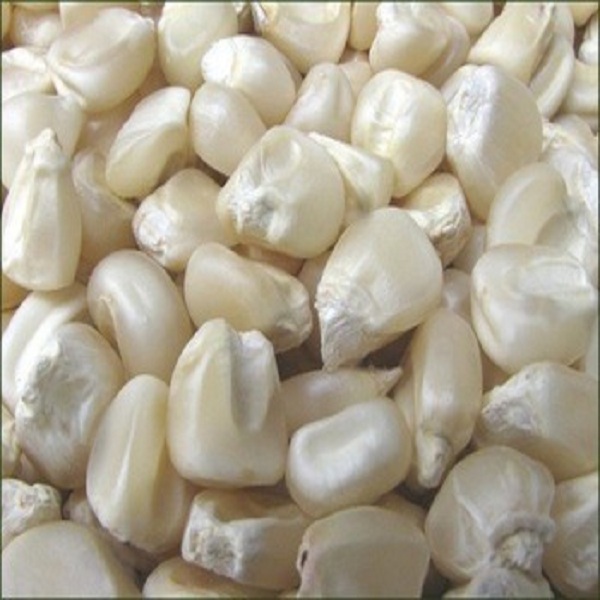
White maize for milling, food processing and institutional procurement programmes.
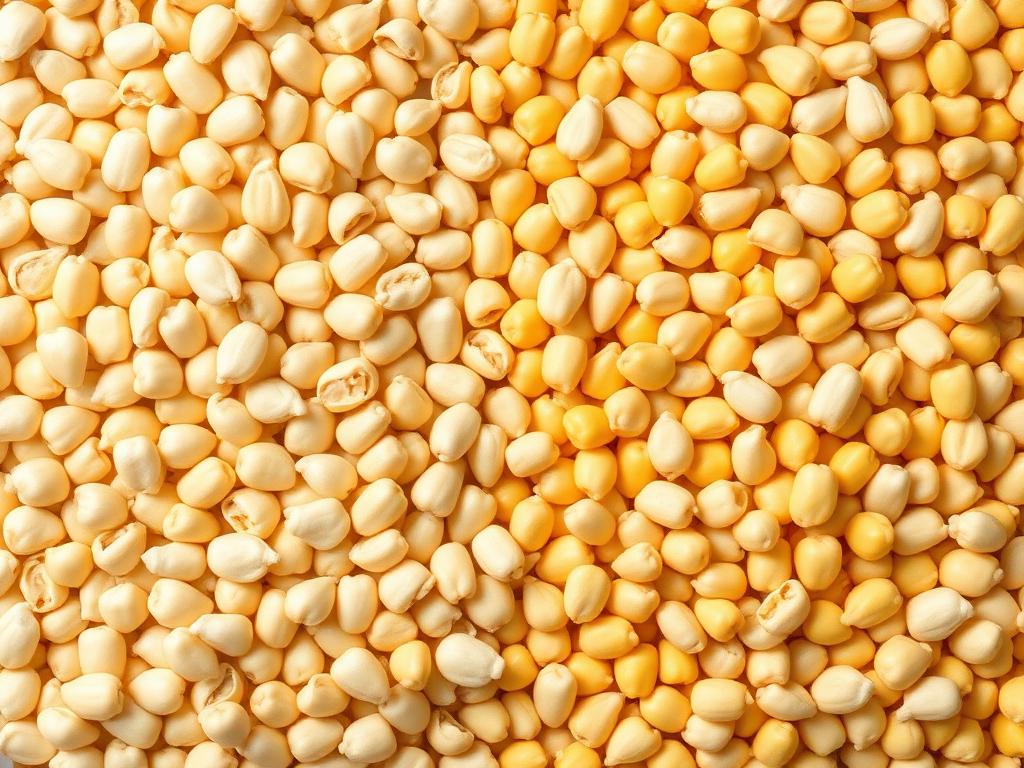
Yellow maize for animal feed compounders, starch and industrial processing buyers.
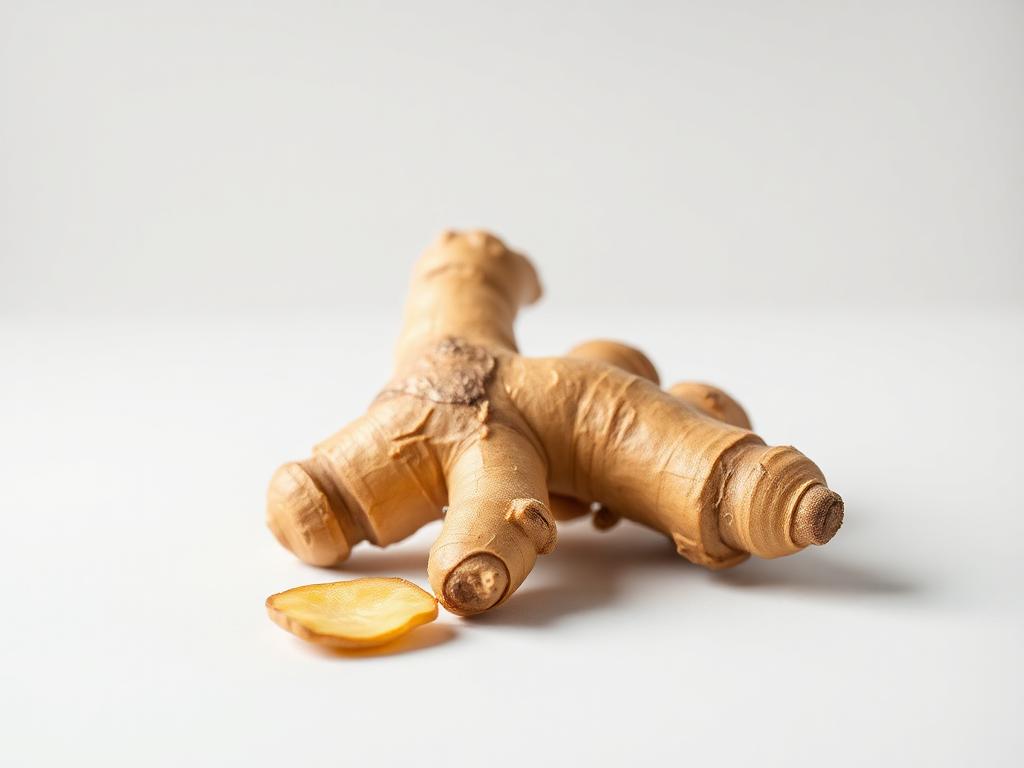
Dried and split ginger for spice, beverage, extract and nutraceutical buyers.
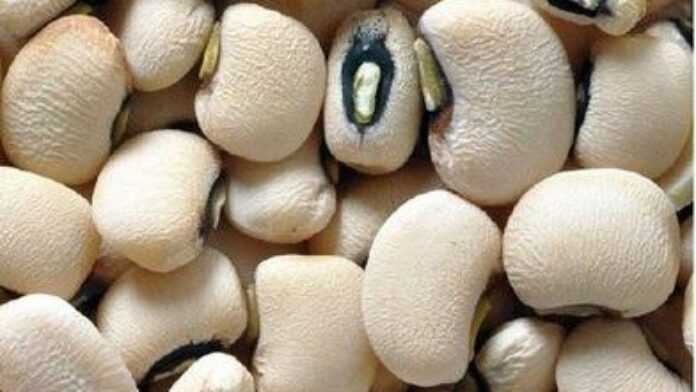
Cowpea and related pulses for food distribution, packing and institutional supply.
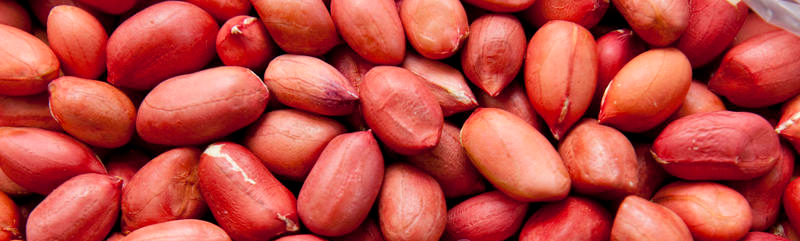
Groundnuts for oil pressing, paste manufacturing and snack processing.
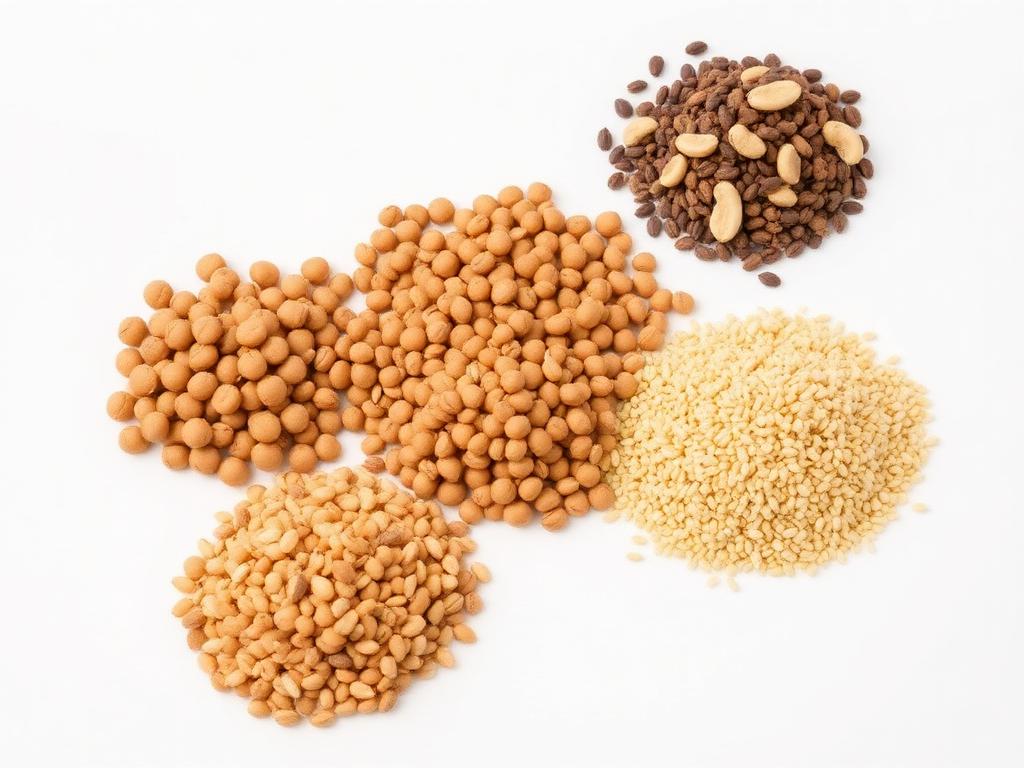
Millet for milling, brewing, feed and food-ingredient buyers.
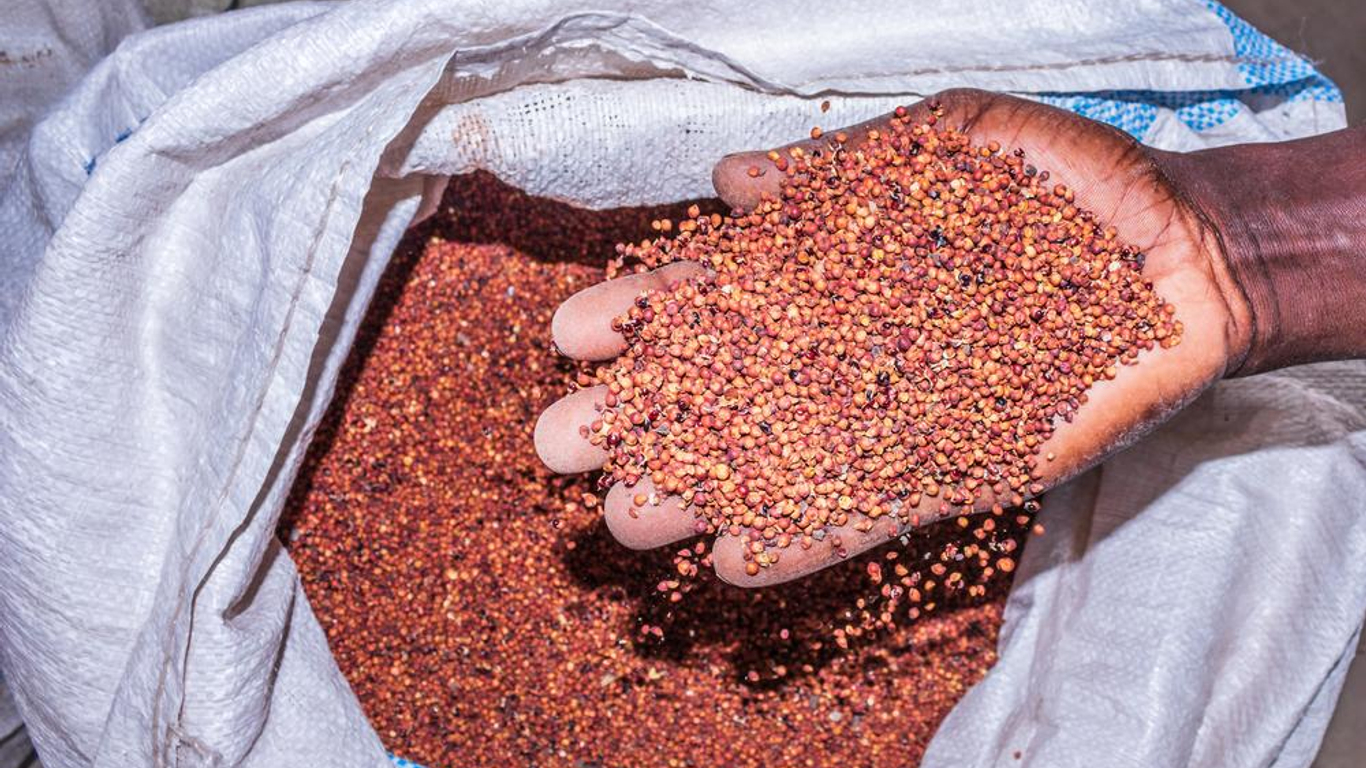
Sorghum for brewing, milling and animal-feed formulation.
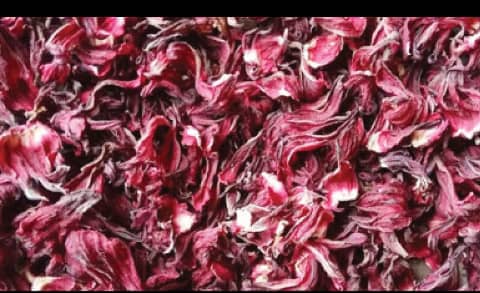
Dried hibiscus calyces for beverage, tea, extract and natural colour buyers.
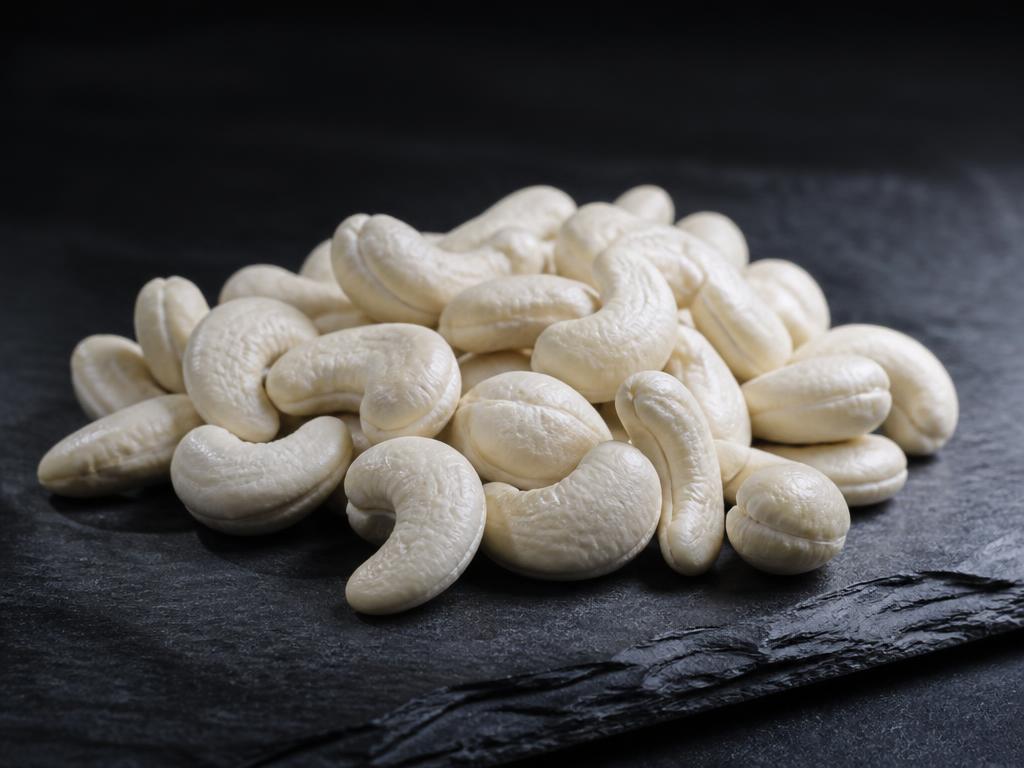
Shelled, edible cashew kernels supplied to packers, roasters and ingredient buyers in global markets.
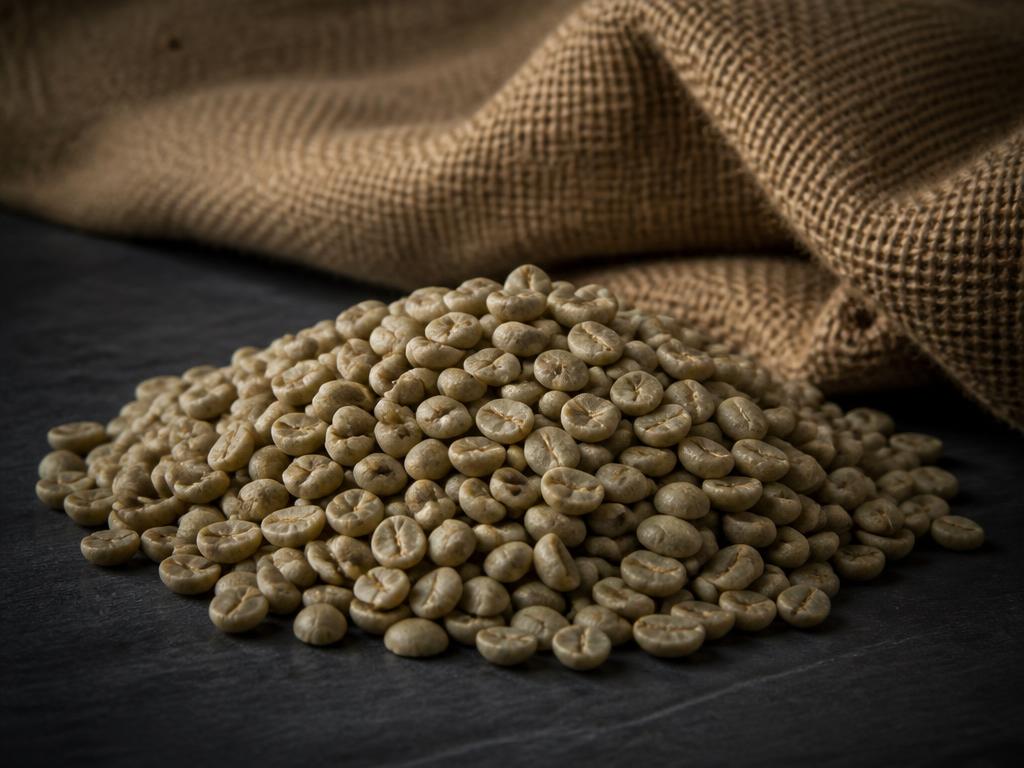
Green robusta coffee beans sourced for roasters, blenders and soluble coffee manufacturers.
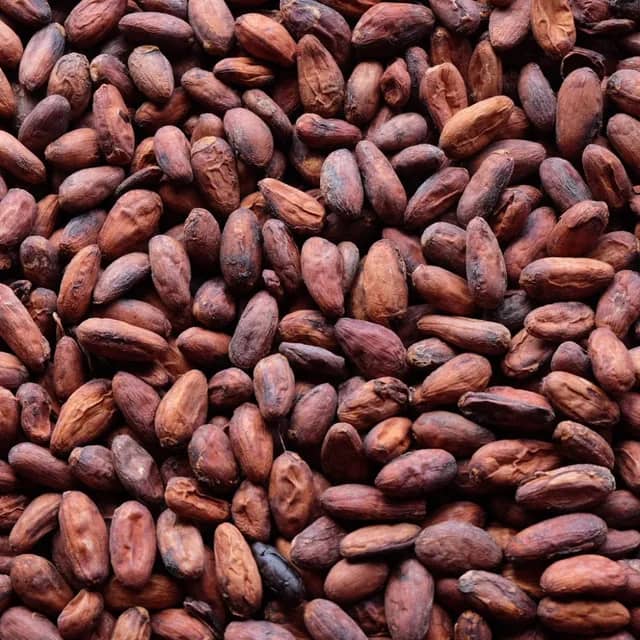
Fermented and dried cocoa beans supplied to grinders, chocolate manufacturers and ingredient processors.
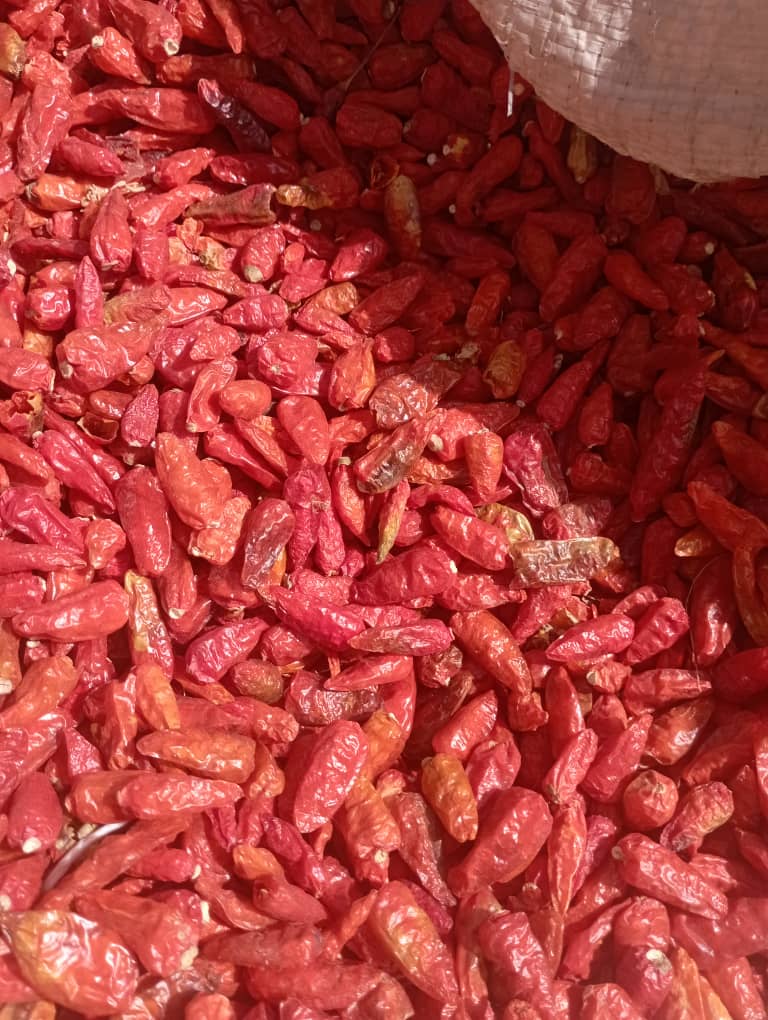
Small dried red chili for spice grinders, sauce producers, extract and seasoning manufacturers.
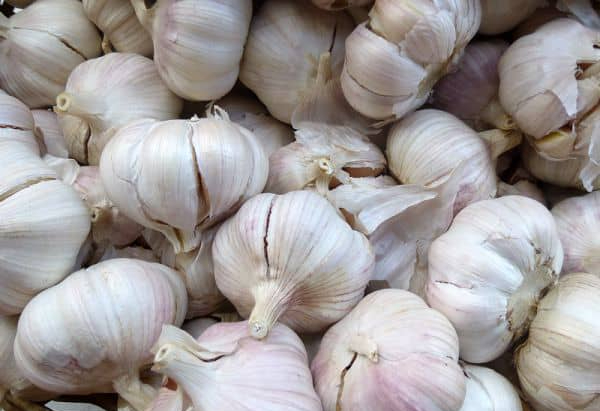
Dry garlic bulbs sourced in West Africa for distributors, spice processors and food manufacturers.
Additional agricultural and agropastoral products can be reviewed against buyer requirements and available regional supply.
Product safety and compliance
Food safety is not a marketing claim at CHIOMA TROPIC — it is a contractual obligation. No lot leaves origin unless the regulatory, phytosanitary and quality requirements applicable to that product and that destination market are satisfied and evidenced in writing.
Every lot is contracted to comply with the food-safety, phytosanitary and quality regulations in force in the country of origin and in the buyer's destination market at the time of shipment.
Shipments are accompanied by the statutory export documentation issued by the competent authorities — including phytosanitary certification, certificate of origin and the documents required by the destination regulator.
Quality, weight and condition are verified by internationally recognised third-party inspection companies, with laboratory analysis at accredited laboratories where the contract or destination market requires it.
Each consignment is traceable through aggregation, drying, cleaning, bagging and loading, so the buyer can evidence the chain of custody to their own regulator, insurer or bank.
Where a buyer, importer or regulator imposes an additional standard, tolerance or certification scheme, that requirement is written into the contract before loading — or the business is declined.
Contractual quality clauses define the inspection point, tolerances and remedies, so the buyer is protected commercially if a lot does not meet the agreed specification on arrival.
The specific certificates, inspection body, laboratory scope and standards applicable to a given lot are named in the written commercial offer and contract for that transaction. Copies of the issued documents are released to the buyer and, where required, to their bank.